TEL:+8613210005958



As restaurant chains and food service operators intensify their sustainability commitments, edible packaging has emerged from laboratory curiosity to commercial reality, offering a compelling solution to single-use packaging waste.
From Laboratory to Restaurant
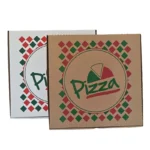
Companies including Domino’s Pizza and Google have piloted edible pizza boxes, while startups across Asia and Europe are developing edible bowls, plates, and utensils made from wheat bran, rice paper, and agricultural byproducts.
Edible packaging serves multiple purposes: it eliminates waste for consumers who eat the packaging, reduces contamination in recycling streams, and creates a memorable dining experience that reinforces brand values around sustainability.
Technical Advances Making Edible Packaging Practical
Barrier Properties: Recent innovations in edible coatings significantly improve moisture and grease resistance. Research from the University of Wisconsin-Madison has developed protein-based edible films that match the performance of polyethylene in hot and greasy food applications.
Flavor Enhancement: Modern edible packaging often incorporates flavors that complement the food product. Pizza box sleeves made from garlic-infused wheat paper add a subtle flavor dimension, while tea-infused packaging enhances the beverage experience.
Cost Reduction: Edible packaging production costs have decreased substantially as manufacturing scales. Current prices range from USD 0.03-0.08 per unit for basic edible containers, approaching parity with conventional single-use options when considering waste disposal costs.
Regulatory Framework and Food Safety
Food safety regulations require that edible packaging meet the same standards as any food product. Producers must ensure allergen declarations are clear, shelf life is validated, and storage requirements are communicated to food service operators. Major markets including the United States, European Union, and Japan have established clear pathways for edible packaging approval.
The Broader Sustainability Picture
While edible packaging represents an exciting innovation, industry analysts caution against viewing it as a complete solution. Effective sustainable food packaging requires a portfolio approach: edible options where appropriate, compostable materials where collection infrastructure exists, and dramatically improved recycling rates for conventional packaging.
The most forward-thinking restaurant operators are combining edible packaging with consumer education, waste tracking systems, and partnership with composting facilities to create circular outcomes for their packaging.
Source: University of Wisconsin-Madison Food Packaging Research Program, Euromonitor International Sustainability in Food Service Packaging 2025